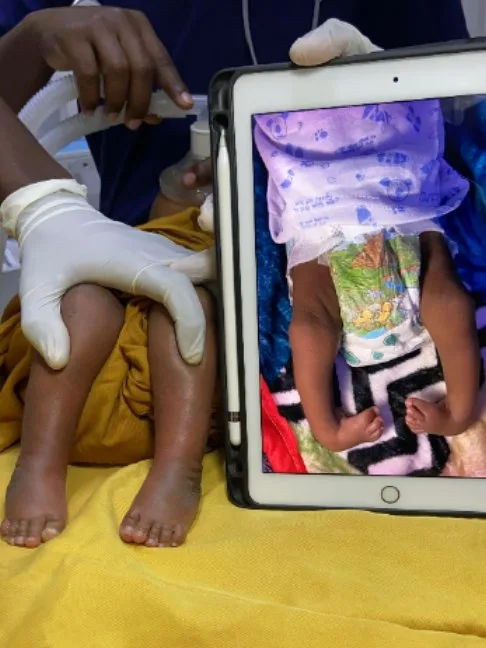
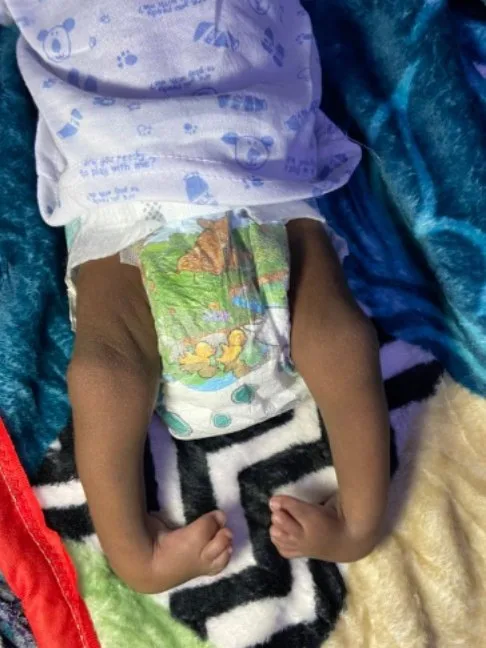
Clubfoot & Deformity Correction
The Saturday children's clinic and correction of congenital or acquired bone deformities.
Learn more
Fractures & Complex Trauma
Treatment of bone injuries, complex fractures and breaks that do not heal easily.
View all TreatmentKeeping You Moving
Conditions of the bones, muscles and joints.
TikTok videos
 TikTok
 TikTok
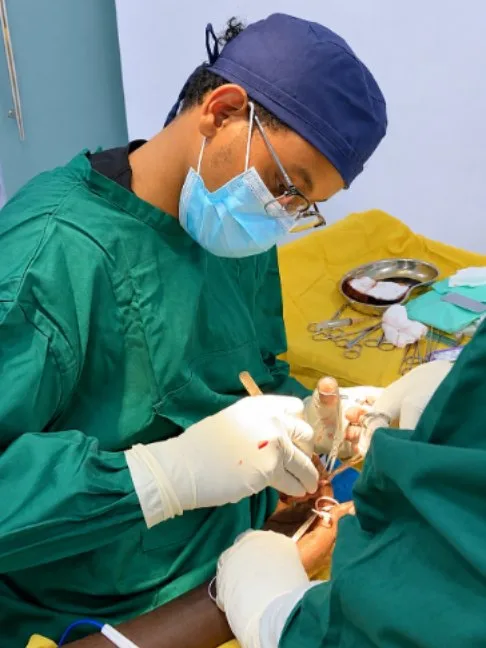 TikTok
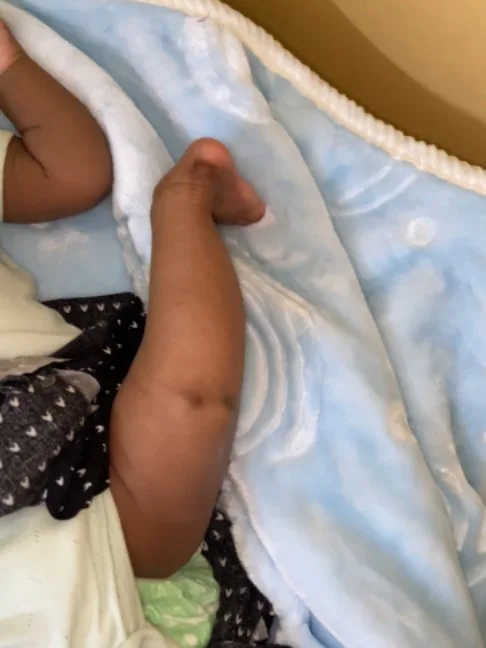 TikTok
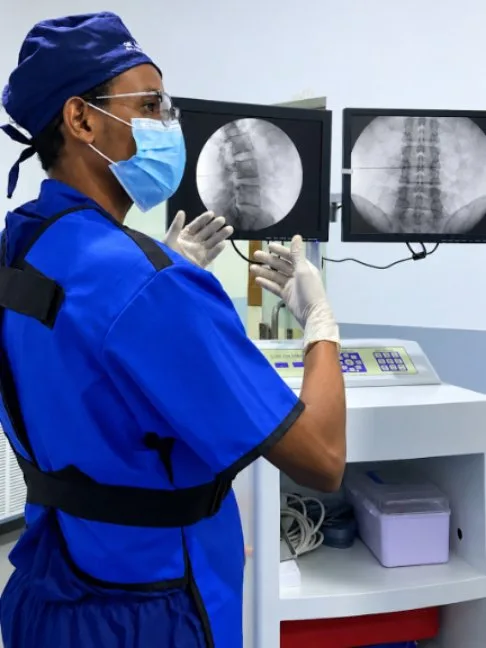 TikTok
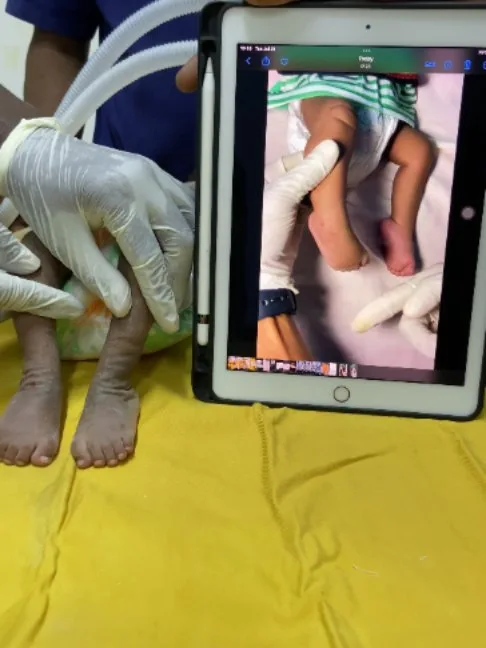 TikTok
A clear, step-by-step pathway to recovery
How treatment works.
- Step 1
Your first contact
When you reach out, we first ask how urgent your problem is. Some problems need help right away: an open fracture or serious wound, heavy bleeding, a cold, pale or blue limb, new numbness or weakness, loss of movement, fast-growing swelling or tightness, a suspected spinal cord injury, or severe pain after a major accident. Other problems can be seen at a planned clinic visit. For children with conditions present from birth, we may ask for earlier medical records, birth history, past treatment and scans before you come. If you are travelling from another city or country, we can help organise your records, referrals and appointments.
Read more - Step 2
Your first consultation
We begin by listening. When did it start? How does it affect your walking, work, school, sleep, sport or prayer? We ask about past injuries, operations, injections and physiotherapy, and about your medicines and other health conditions. Then we examine movement, strength, stability, feeling, circulation, swelling and skin — and watch how you walk when it helps. With children we also look at growth, alignment, flexibility and muscle balance. No examination or scan can pinpoint the cause of pain with complete certainty, so we look at the whole picture.
Read more - Step 3
Scans and tests
We only ask for tests that will help us reach a diagnosis or change your treatment. X-rays show fractures, dislocations, alignment, joint changes, limb deformity and, in children, growth plates. A CT scan gives detailed pictures of bone, useful for complex fractures, joint injuries, spinal bone problems or planning an operation. An MRI shows discs, nerves, the spinal cord, cartilage, ligaments, tendons, muscle and bone marrow — but not everyone with back pain or an injury needs one. Ultrasound can examine some tendons, muscles and joints and guide certain injections. Blood tests may be needed before surgery, or when infection, inflammation, anaemia or bone disease is suspected.
Read more - Step 4
Your treatment plan
Once we have the answers, we explain your options in plain language. Depending on your condition, treatment may be observation and follow-up, medicine, physiotherapy and home exercises, a brace or walking aid, a cast or splint, an injection or small procedure, corrective surgery, joint replacement, or staged treatment for complex injuries. Not every fracture needs an operation: a stable fracture can heal safely in a cast, splint or brace. Surgery is considered when a fracture has moved, is unstable, involves a joint, threatens the skin or circulation, or cannot be held safely in position without fixation. For a child with clubfoot or another deformity, the plan may combine casting, bracing, guided growth, tendon procedures and bone correction, depending on age, flexibility, remaining growth and severity.
Read more
Learn about the process
Every step of your care, explained in plain language, from the first call to full recovery.
Patient JourneyA sample review from Google will look like this: the patient's own words, their name and the number of stars, with a link to the original on Google.
TikTokA short sample caption from the patient or parent.
A sample message sent to the clinic on WhatsApp, shared with the patient's permission and with the number removed.
A sample comment from a public post. The card links to the original post so anyone can check it.
A sample note handed to the clinic or sent in writing, shown with permission.
Trusted by patients
What patients say about their care. Reviews come from Google and from patients who agreed to share their words.
Sample layout only — to be replaced with real, consented patient testimonials.
Frequently Asked Questions
What conditions does Dr. Abdulkadir treat?
Dr. Abdulkadir treats all conditions of the bones, muscles and joints, including fractures, back and knee pain, sports injuries, and correction of bone deformities children are born with.
How do I book an appointment?
You can book by calling the phone number on this site, or by contacting us on WhatsApp.
Do I need an X-ray or tests before I come?
If you already have X-rays, MRI or other tests, please bring them. If not, the doctor will order any necessary tests after seeing you.
How long does recovery from surgery or a fracture take?
Recovery time depends on the type of injury, the patient's age, and how well they follow the doctor's advice and physiotherapy. Dr. Abdulkadir will give you a clear plan showing the stages of your recovery.