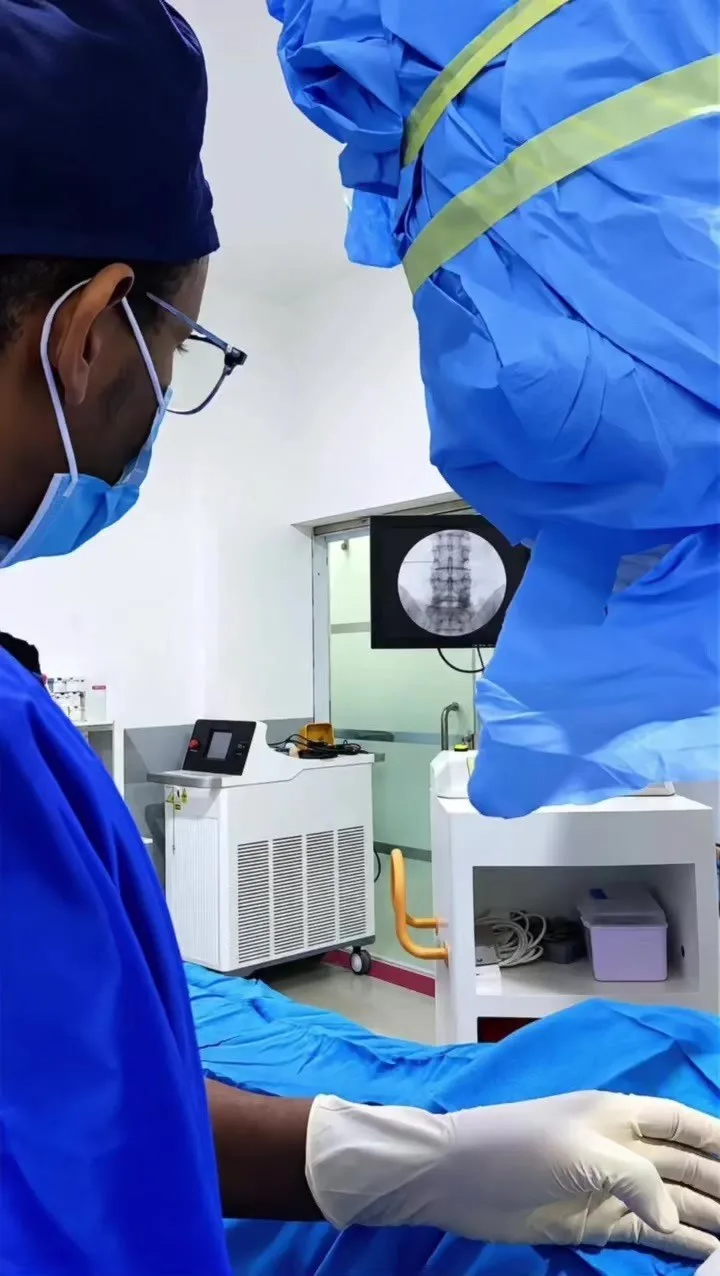
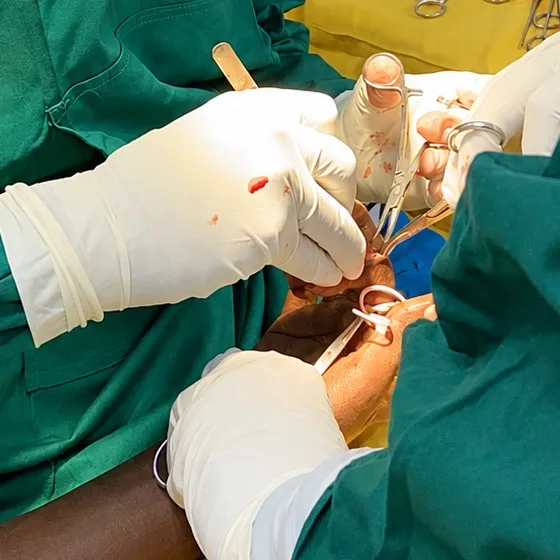
Modern treatment, especially minimally invasive surgery for the lumbar spine.
Conditions Treated
Conditions Treated
Spine Procedures
Disc herniation, spinal stenosis and nerve compression.
Neck and back conditions can cause localized pain, stiffness, numbness, tingling, weakness, balance problems, or difficulty walking. Common conditions include disc herniation, spinal stenosis, nerve compression, spinal instability, deformity, degenerative changes, and selected spinal fractures.
Evaluation may include a medical and neurologic history, examination of strength and sensation, assessment of reflexes and walking, and imaging when indicated. Imaging findings are interpreted together with symptoms and examination because abnormalities on a scan do not always cause pain.
Treatment commonly begins with nonsurgical care, such as activity modification, physical therapy, medication, ergonomic changes, and selected injections. Some patients improve without surgery, while others may need an operation because of progressive neurologic symptoms, significant instability, deformity, severe nerve compression, or persistent functional limitation.
When surgery is appropriate, procedures may be used to decompress nerves, remove or repair damaged structures, stabilize the spine, or correct selected deformities. Minimally invasive techniques may be suitable for some patients but are not appropriate for every diagnosis. Recovery depends on the underlying condition, procedure, general health, muscle strength, and rehabilitation.
Chronic Musculoskeletal Pain Management
Long-standing back, neck, joint or muscle pain.
Long-standing pain involving the back, neck, joints, bones, muscles, or tendons can affect sleep, work, exercise, mood, and independence. A careful assessment is important because musculoskeletal pain may have more than one contributing cause.
Evaluation may include a review of symptom timing, previous injuries, activity-related symptoms, medications, medical conditions, physical examination, and imaging or laboratory testing when appropriate. The aim is to identify the likely pain generator and determine whether orthopedic, neurologic, inflammatory, or other conditions may be involved.
Treatment may include physical rehabilitation, exercise-based therapy, activity modification, ergonomic advice, bracing, image-guided injections when appropriate, and medication prescribed according to the patient's medical needs. Surgical treatment is considered only when the diagnosis, examination, imaging, and expected benefits support it.
Pain treatment is individualized. Not every painful condition requires an injection or an operation, and some conditions are best managed through a combination of rehabilitation, lifestyle changes, medical treatment, and monitoring.
Procedure
Procedure
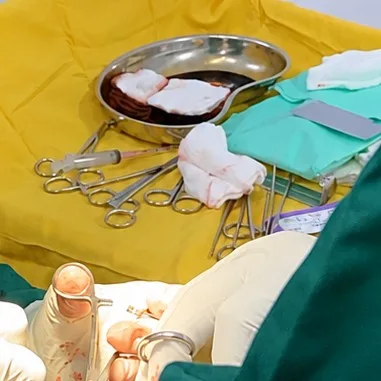
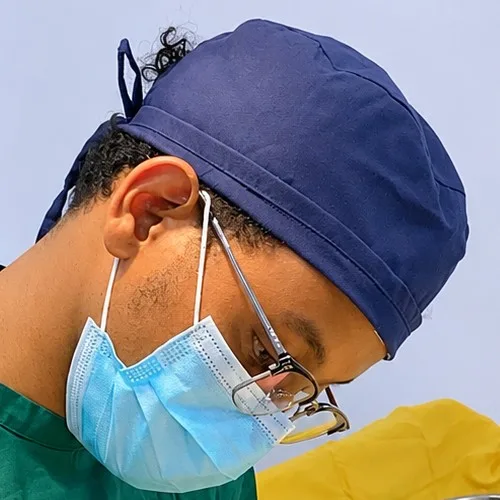
Surgery in progressSterile surgical instrumentsDr. Abdulkadir at work